
Endodontic Treatment

Root Canal Treatment in Hillsboro, OR

A root canal removes an infected or badly inflamed nerve so you can keep the tooth. The treatment is done under local anesthetic, and we offer sedation if you are anxious. If you have a toothache or swelling, call us and we will find the soonest suitable appointment.

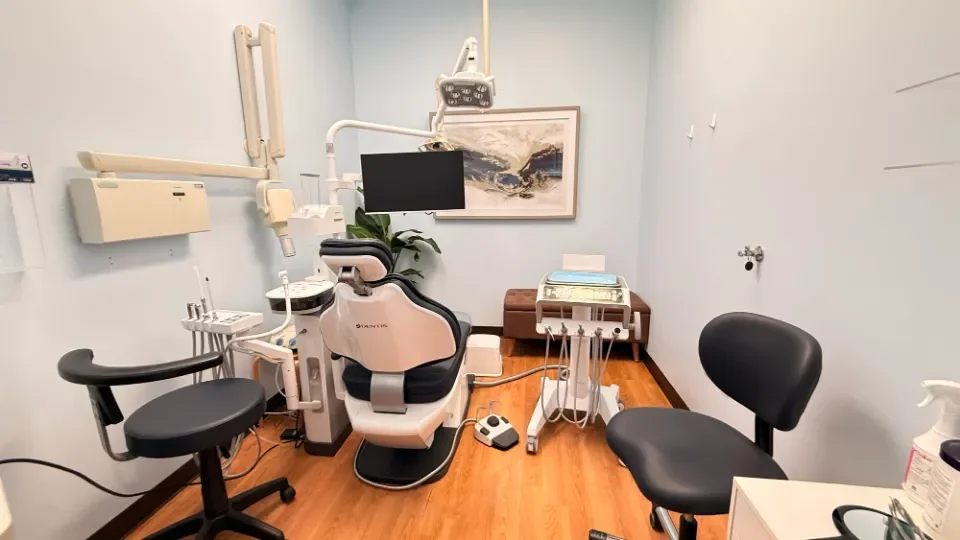
A treatment room at East Wind Dental Care in Hillsboro with chair, imaging arm and monitor
Our Hillsboro treatment room
Local anesthetic for comfort
Sedation Options Available
Call for urgent visits
Save Your Natural Tooth

What a root canal feels like

Clinical reference: The American Dental Association (ADA) affirms that modern endodontic therapy safely eliminates infection while preserving natural tooth structure.

Root canals have a reputation for being painful, but the treatment is meant to relieve the pain that infection causes. The area is numbed first, and many patients describe the visit as similar to having a filling. Some soreness for a few days afterwards is common and can usually be managed with over-the-counter pain relief. We will explain what to expect for your own tooth.

What Is a Root Canal?

A root canal is a dental procedure that removes infected or damaged pulp tissue from inside your tooth, cleans and disinfects the root canals, then fills and seals them to prevent future infection. It's the only way to save a tooth once the pulp (the nerve and blood supply inside) becomes infected or dies.

The term "root canal" actually refers to the natural hollow space inside a tooth that contains the pulp. The treatment gets its name from cleaning out these canals. Despite its reputation, root canal therapy is one of the most successful dental procedures performed today, with success rates exceeding 95%.

At East Wind Dental Care in Hillsboro, we serve patients from Beaverton, Aloha, Tanasbourne, Orenco Station, Forest Grove, Cornelius, and throughout Washington County who need relief from tooth pain and want to save their natural teeth.

When Is a Root Canal Needed?

A root canal becomes necessary when the pulp tissue inside your tooth becomes infected or severely inflamed. This can happen due to:

  • Deep decay: When a cavity penetrates through enamel and dentin into the pulp chamber
  • Repeated dental procedures: Multiple fillings or procedures on the same tooth can eventually irritate the pulp
  • Cracked or chipped teeth: Cracks provide a pathway for bacteria to reach the pulp
  • Trauma: A blow to a tooth can damage the pulp even if there's no visible crack
  • Large fillings: Very large or deep fillings may compromise the pulp over time

Signs You May Need a Root Canal

Severe pain when chewing or biting
Lingering sensitivity to hot or cold
Darkening or discoloration of tooth
⭕
Pimple on gums (fistula/abscess)
Swollen or tender gums near tooth
Persistent throbbing toothache

Important: Not All Infected Teeth Hurt

Sometimes the pulp can die slowly without causing significant pain—the tooth "dies quietly." This is why regular dental checkups with X-rays are essential. Dr. Ostovar can identify signs of pulp problems before they become emergencies, including periapical lesions (dark areas at the root tip on X-rays) that indicate infection.

Your Comfort Is Our Priority

We understand dental anxiety. Dr. Ostovar uses advanced local anesthetics to ensure complete numbness before beginning. For patients with dental anxiety, we offer sedation options including nitrous oxide (laughing gas) and oral conscious sedation to help you relax completely during your procedure.

The Root Canal Procedure Step-by-Step

Understanding what happens during treatment can ease anxiety. Here's exactly what to expect:

View Step-by-Step Clinical Procedure Details +
1

Diagnosis & Anesthesia

X-rays confirm the need for treatment and reveal the canal anatomy. We thoroughly numb the area—you won't feel any pain during the procedure. A rubber dam isolates the tooth to keep the area clean and dry.

2

Access Opening

Dr. Ostovar creates a small opening through the crown of your tooth to access the pulp chamber and root canals. This allows direct access to the infected tissue.

3

Cleaning & Shaping

Using specialized rotary instruments and irrigation solutions (sodium hypochlorite and EDTA), we carefully remove all infected pulp tissue, bacteria, and debris. The canals are shaped to receive the filling material.

4

Filling the Canals

The cleaned and shaped canals are filled with gutta-percha, a biocompatible rubber-like material, and sealed with adhesive cement to prevent recontamination.

5

Restoration

A temporary filling is placed to close the access opening. Within a few weeks, you'll return for a permanent crown to protect the tooth and restore full function.

Why Save Your Natural Tooth?

Some patients ask: "Why not just extract the tooth?" While extraction may seem simpler, preserving your natural tooth offers significant advantages:

Natural Appearance Your restored tooth looks and feels like any other tooth in your mouth.
Efficient Chewing Maintain your normal bite force and chewing ability without adaptation.
Protects Adjacent Teeth Prevents neighboring teeth from shifting into the empty space.
Preserves Jawbone Unlike extraction, keeps your jawbone from shrinking in that area.
Cost-Effective Root canal + crown typically costs less than extraction + implant.
Natural Sensation While the nerve is gone, natural ligament attachment provides sensory feedback.

Why Is a Crown Necessary After Root Canal?

After root canal treatment, the tooth loses its internal blood supply. Over time, this makes the tooth more brittle and susceptible to fracture—especially back teeth that endure significant chewing forces.

A dental crown (also called a "cap") covers and protects the entire visible portion of the tooth, distributing chewing forces and preventing fracture. Studies show that root canal-treated teeth without crowns have significantly higher failure rates than those properly restored with crowns.

What to Expect After Treatment

After your root canal, you may experience:

  • Mild soreness: Tenderness for a few days is normal, manageable with over-the-counter ibuprofen or acetaminophen
  • Sensitivity to biting: May last a week or two as the ligament around the tooth heals
  • Numbness: The anesthesia wears off in 2-4 hours; avoid eating until sensation returns

Post-Treatment Care

  • Avoid chewing on the treated side until your crown is placed
  • Take any prescribed antibiotics as directed to completion
  • Maintain excellent oral hygiene—brush and floss normally
  • Contact us if you experience severe pain, swelling, or fever
  • Return promptly for crown placement (usually within 2-4 weeks)

Root Canal vs. Extraction: Making the Right Choice

While saving your natural tooth is almost always preferable, there are situations where extraction may be the better choice:

  • Vertical root fracture: Cracks running down the root cannot be repaired
  • Insufficient tooth structure: When too much tooth is lost to support a crown
  • Extensive bone loss: Severe periodontal disease compromising the tooth
  • Failed previous root canal: When retreatment isn't viable

Dr. Ostovar will thoroughly evaluate your specific situation and discuss all options, including dental implants if extraction becomes necessary.

In Pain Right Now?

Don't wait. Dental infections can spread and become serious. Same-day emergency appointments available.

(503) 614-0198 Emergency Appointment

Why Choose East Wind?

  • Gentle, comfort-focused technique
  • Sedation options for anxiety
  • Modern rotary instruments
  • Same-day emergency care
  • Crown restoration in-house
  • Most insurance accepted

Common Questions

Root Canal FAQs

Get answers to the most frequently asked questions about root canal therapy at East Wind Dental Care.

Does a root canal hurt?

No! Modern root canals are comfortable. The procedure actually relieves the pain caused by infection. With proper anesthesia, most patients feel nothing during treatment and describe it as similar to getting a filling.

Why do I need a crown after?

After a root canal, the tooth loses its blood supply and becomes more brittle over time. A crown protects it from fracture and restores full chewing function. Teeth without crowns have significantly higher failure rates.

How long does it take?

Most root canals are completed in a single 60-90 minute appointment. Front teeth are quickest; molars with multiple canals may take longer or occasionally require two visits.

What's the alternative to root canal?

The only alternative is extraction. However, this creates other problems including bone loss, shifting teeth, and the need for a bridge or dental implant. Saving your natural tooth is almost always preferred.

Can a root canal fail?

While success rates exceed 95%, failures can occasionally occur due to complex anatomy, reinfection, or crown failure. If a treated tooth becomes reinfected, retreatment or apicoectomy (surgical option) may save it.

How long will the tooth last?

With proper restoration (crown) and good oral hygiene, a root canal-treated tooth can function normally for many years. Success depends on the quality of restoration and your home care habits.

Is it safe to get a root canal during pregnancy?

Yes, root canal treatment is generally safe during pregnancy, especially in the second trimester. Untreated dental infections pose a greater risk to both mother and baby than the procedure itself.

How much does a root canal cost?

Cost varies by tooth (front teeth cost less than molars) and complexity. Most dental insurance covers root canals. We offer financing options and will provide a detailed estimate before treatment.

What can I eat after a root canal?

For the first few days, stick to soft foods like yogurt, mashed potatoes, scrambled eggs, and smoothies. Avoid chewing on the treated side until your permanent crown is placed. Avoid hard, crunchy, or sticky foods.

How do I know if I need a root canal or just a filling?

A filling is typically used when decay is confined to the outer layers of the tooth. A root canal becomes necessary when infection or damage reaches the pulp (the nerve and blood supply inside the tooth). Signs that point toward a root canal include severe spontaneous pain, prolonged sensitivity to heat or cold, swelling near the tooth, or a persistent pimple on the gum. Dr. Ostovar will take a digital X-ray and do a thorough exam to confirm which treatment your tooth needs before starting anything.

Serving Washington County

Root Canal Therapy Near You

East Wind Dental Care provides gentle root canal therapy to patients throughout the Portland metropolitan area. Our Hillsboro location offers convenient access for families in these communities:

Hillsboro

Orenco, Tanasbourne, AmberGlen, Rock Creek

Beaverton

Cedar Hills, Progress Ridge, Murrayhill

Aloha

Cooper Mountain, South Beaverton

Forest Grove

Cornelius, Gaston, Banks

Tigard

King City, Bull Mountain, Durham

North Plains

Helvetia, Bethany, Cedar Mill

Portland West

Raleigh Hills, Garden Home, West Slope

Sherwood

Tualatin, Wilsonville, Lake Oswego

Stop Tooth Pain Today

Don't suffer with dental pain. Dr. Ostovar provides gentle root canal therapy in Hillsboro, OR. Same-day emergency appointments available.

(503) 614-0198

7546 NE Shaleen St, Hillsboro, OR 97124  |  Ample Free Parking  |  Hablamos Español